

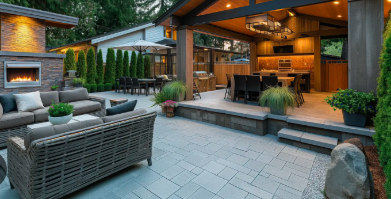
Outdoor living spaces have become an essential part of modern homes. Whether it is a patio, balcony, terrace, or garden, people increasingly want these areas to be comfortable, stylish, and functional. One element that helps achieve this goal is markiseteppe.
A markiseteppe refers to a durable outdoor fabric or mat commonly used with awnings, balconies, patios, and camping setups. It provides shade, protection from weather conditions, and a comfortable surface for outdoor activities. Over the years, the popularity of markiseteppe has grown because it combines practicality with aesthetic appeal.
This detailed guide explains everything about markiseteppe, including its meaning, materials, types, benefits, installation methods, maintenance tips, and buying considerations.
Introduction to Markiseteppe
Outdoor environments expose furniture, floors, and people to direct sunlight, dust, and occasional rain. Because of this, homeowners and businesses often look for protective solutions that can improve outdoor comfort.
A markiseteppe is designed exactly for this purpose. It functions as a protective and decorative fabric element that helps create pleasant outdoor spaces. By providing shade and protection, it makes patios, terraces, and balconies more usable throughout the day.
The concept has become especially popular in modern outdoor design because people increasingly treat their outdoor areas as extensions of their living rooms. A well-chosen markiseteppe not only protects the space but also enhances its appearance.
What Is Markiseteppe?
The word markiseteppe comes from Scandinavian languages and consists of two parts:
- Markise – meaning awning or sunshade
- Teppe – meaning carpet or fabric covering
When combined, the term refers to a fabric covering used for shade or outdoor flooring in areas protected by awnings or outdoor structures.
In simple terms, a markiseteppe can function in two ways:
- As a fabric component of an awning or shade system
- As a durable outdoor mat placed under an awning or canopy
Because of this dual function, markiseteppe is commonly seen in patios, balconies, and camping areas where people need protection from the sun while maintaining comfort.
Unlike regular indoor carpets, a markiseteppe is designed to withstand outdoor conditions such as sunlight, moisture, and wind.
History and Origin of Markiseteppe
The concept of markiseteppe originated in Scandinavian countries, where outdoor living is an important part of daily life during warmer months. Homes in these regions often include terraces and balconies where people spend time relaxing, dining, or entertaining guests.
Traditional awnings were used to block sunlight entering homes through windows. Over time, people began using durable fabrics under these awnings to create comfortable outdoor flooring. This combination eventually led to the development of the modern markiseteppe.
As outdoor design trends spread globally, markiseteppe products became popular in many parts of Europe and later in other regions of the world. Today, they are used in residential homes, restaurants, hotels, and camping setups.
How Markiseteppe Works
A markiseteppe works by combining strong fabric materials with weather-resistant coatings to provide shade and comfort. It acts as a barrier against sunlight and protects outdoor surfaces from heat and damage.
Basic Structure
Most markiseteppe products consist of three main components:
- A durable fabric layer
- A support structure or base
- A protective coating for weather resistance
The fabric is usually woven in a way that allows airflow while still blocking excessive sunlight.
Installation Methods
There are several ways a markiseteppe can be installed depending on its type.
Some are fixed systems, attached permanently to walls or frames above patios and windows. Others are portable mats placed directly on the ground under awnings.
Retractable systems are also common. These allow users to extend or retract the shade fabric depending on weather conditions.
Improving Outdoor Comfort
A markiseteppe significantly improves the comfort of outdoor spaces in several ways.
First, it reduces direct sunlight exposure, keeping the area cooler. Second, it provides a clean and comfortable surface for walking, sitting, or placing furniture. Third, it enhances the visual appearance of outdoor areas.
Common Materials Used in Markiseteppe
The durability and performance of a markiseteppe depend largely on the materials used in its construction. Manufacturers often use fabrics designed specifically for outdoor environments.
Acrylic Fabric
Acrylic fabrics are one of the most popular choices for markiseteppe. They are known for excellent UV resistance and long-lasting color.
Advantages include:
- Strong resistance to sunlight
- Breathable structure
- Long lifespan
These fabrics are commonly used for patio awnings.
Polyester Fabric
Polyester is a lightweight and affordable option often used in residential settings.
Its benefits include:
- Good durability
- Affordable pricing
- Easy maintenance
PVC-Coated Fabric
PVC-coated materials are extremely durable and waterproof. They are often used in commercial applications where stronger protection is required.
Canvas Fabric
Canvas materials provide a classic and traditional appearance. While not as durable as PVC, they still offer good performance for moderate weather conditions.
Material Comparison Table
| Material | Durability | Weather Resistance | Typical Use |
|---|---|---|---|
| Acrylic | High | Excellent | Patios and terraces |
| Polyester | Medium | Good | Balconies |
| PVC-Coated Fabric | Very High | Excellent | Commercial spaces |
| Canvas | Medium | Moderate | Decorative shading |
Types of Markiseteppe
Different environments require different types of markiseteppe. Understanding these types helps users choose the best option for their needs.
Ground Markiseteppe
This type functions as an outdoor mat placed under awnings or tents. It is commonly used for camping and caravan setups.
Awning Markiseteppe
Awning fabrics are mounted above windows, patios, or terraces to create shade.
Retractable Markiseteppe
Retractable systems allow the fabric to extend or retract using manual or motorized mechanisms. These systems provide flexibility depending on weather conditions.
Balcony Markiseteppe
Balcony versions are specifically designed for apartment spaces. They often include smaller awning systems and lightweight fabrics.
Commercial Markiseteppe
Restaurants, cafés, and hotels frequently use large markiseteppe systems to create shaded outdoor seating areas.
Popular Uses of Markiseteppe
Markiseteppe products are versatile and can be used in many settings.
Residential Applications
Homeowners often install markiseteppe in areas such as:
- Garden patios
- Outdoor decks
- Terraces
- Balcony seating spaces
These installations create comfortable spaces for relaxing or entertaining guests.
Commercial Applications
Businesses use markiseteppe to enhance customer comfort.
Common examples include:
- Outdoor café seating areas
- Hotel terraces
- Restaurant patios
- Event venues
These shaded spaces attract more visitors and improve overall customer experience.
Camping and Travel
Campers frequently use portable markiseteppe mats under tents or caravans to keep the ground clean and comfortable.
Benefits of Using Markiseteppe
Installing a markiseteppe offers several advantages.
Protection from Sunlight
One of the biggest benefits is protection from harmful UV rays. The fabric blocks direct sunlight while allowing enough natural light to pass through.
Weather Resistance
Many markiseteppe materials are resistant to rain, wind, and dust, making them ideal for outdoor environments.
Improved Comfort
Outdoor spaces become more comfortable with soft flooring surfaces and shaded areas.
Energy Efficiency
By blocking sunlight from entering windows, awning-style markiseteppe systems can help reduce indoor temperatures and lower energy costs.
Visual Appeal
Modern markiseteppe designs come in many colors, patterns, and textures, allowing homeowners to match them with exterior decor.
How to Choose the Right Markiseteppe
Choosing the right markiseteppe requires careful consideration of several factors.
Size and Space Requirements
Accurate measurement is essential. A markiseteppe should fully cover the intended area without being too large or too small.
Material Selection
The climate plays a major role in choosing materials. Areas with heavy rain require waterproof fabrics, while sunny regions benefit from UV-resistant materials.
Design and Color Options
Colors and patterns should complement the home’s exterior design.
Budget Considerations
Prices vary depending on material quality, size, and installation complexity.
Installation Guide for Markiseteppe
Installing a markiseteppe is usually a straightforward process.
Basic Installation Steps
- Measure the area where the markiseteppe will be placed
- Prepare the mounting surface or ground area
- Install support brackets or frames if needed
- Attach the fabric securely
- Check stability and alignment
While some homeowners prefer DIY installation, larger systems may require professional help.
Maintenance and Cleaning Tips
Proper maintenance helps extend the lifespan of a markiseteppe.
Regular cleaning is important to remove dust and dirt. Mild soap and water are usually sufficient.
Additional maintenance practices include:
- Allowing the fabric to dry before storage
- Avoiding prolonged exposure to heavy storms
- Inspecting for damage periodically
With proper care, a markiseteppe can last many years.
Design Ideas Using Markiseteppe
Markiseteppe can transform outdoor areas into stylish living spaces.
Popular design ideas include:
- Creating an outdoor living room with comfortable seating
- Designing a garden dining area under a shaded awning
- Combining markiseteppe with decorative lighting and plants
- Using colorful fabrics to enhance visual appeal
These ideas help turn ordinary outdoor spaces into relaxing environments.
Cost of Markiseteppe
The price of markiseteppe systems varies widely depending on materials and features.
| Type | Average Price Range |
|---|---|
| Basic ground mat | $50 – $150 |
| Standard awning fabric | $200 – $800 |
| Retractable awning system | $900 – $2500 |
| Motorized awning system | $2500+ |
Higher-end options often include automated controls and premium fabrics.
Markiseteppe vs Other Outdoor Solutions
Outdoor spaces can also be protected using umbrellas or shade sails. However, markiseteppe systems often provide more consistent coverage.
Compared to umbrellas, they cover larger areas. Compared to shade sails, they often look more structured and integrated with buildings.
Environmental Benefits
Modern markiseteppe designs increasingly focus on sustainability. Many manufacturers use recyclable materials and energy-efficient production methods.
By reducing indoor heat levels, these systems also lower energy consumption, making them environmentally friendly.
Common Mistakes When Buying Markiseteppe
Some buyers make mistakes when selecting a markiseteppe.
Common errors include choosing the wrong size, ignoring weather resistance, or selecting poor-quality fabrics.
Proper research and accurate measurements help avoid these issues.
Future Trends in Markiseteppe Design
The future of markiseteppe is evolving with new technologies.
Modern trends include:
- Smart retractable systems
- Motorized awnings controlled by apps
- Solar-powered shade systems
- Eco-friendly materials
These innovations will continue improving outdoor comfort.
Conclusion
A markiseteppe is a practical and stylish solution for improving outdoor spaces. Whether used for patios, balconies, or commercial seating areas, it provides shade, protection, and visual appeal.
With various materials, designs, and installation options available, homeowners and businesses can easily find a markiseteppe that suits their needs. Proper installation and maintenance ensure long-term performance, making it a valuable investment for outdoor living.
FAQs About Markiseteppe
1. What is a markiseteppe used for?
A markiseteppe is used to provide shade and protection in outdoor areas such as patios, balconies, and camping spaces.
2. Is markiseteppe suitable for all weather conditions?
Most markiseteppe fabrics are designed to withstand sunlight, rain, and wind, although extreme weather may require additional protection.
3. How long does a markiseteppe last?
With proper maintenance, a high-quality markiseteppe can last between 5 and 15 years depending on materials.
4. Can markiseteppe be installed on balconies?
Yes, many markiseteppe systems are specifically designed for apartment balconies.
5. How do you clean a markiseteppe?
Cleaning usually involves mild soap, water, and a soft brush to remove dust and dirt.

